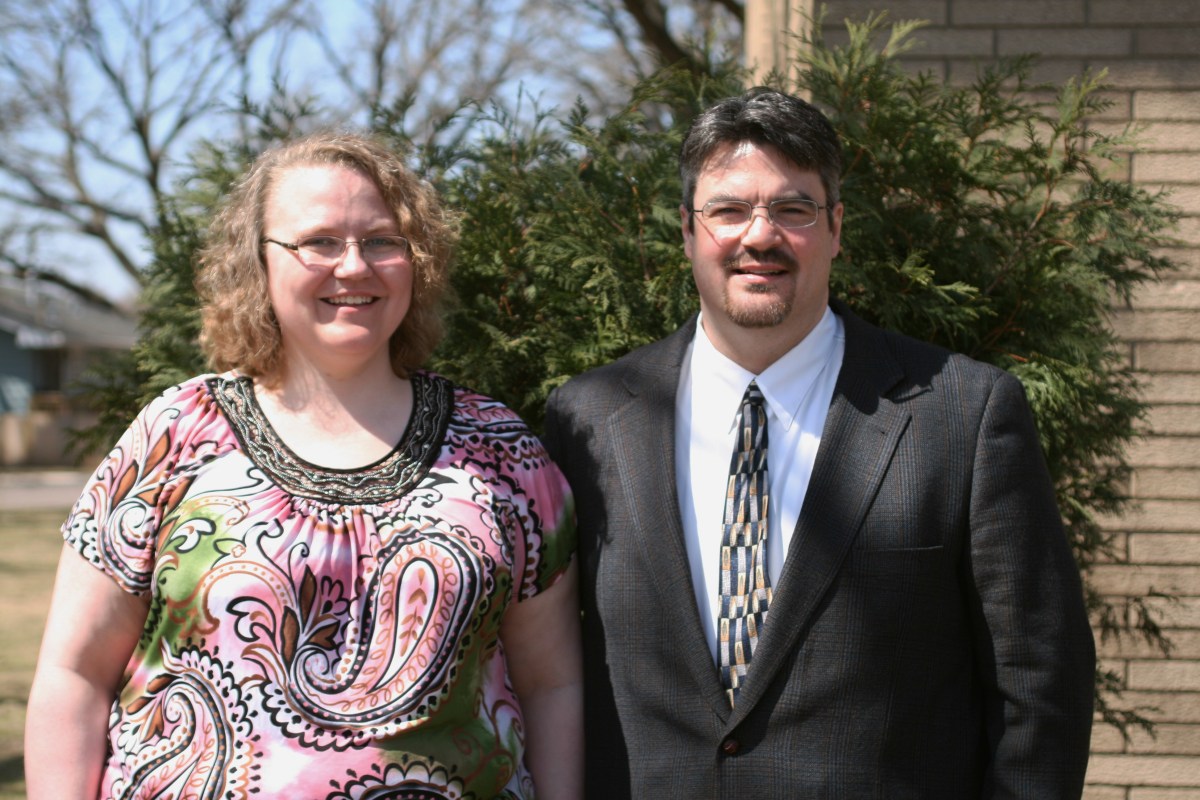
This Is How I Work is a series published by the blog Lifehacker.com. They get well-known business and technology workers to answer a series of questions which reveals each person’s working style and practices, as well as great productivity tips. Since I am neither a business or technology executive, nor am I well-known, I won’t be profiled on Lifehacker any time soon, but I thought a post with my answers to their questions would give you some insight into who I am and how I work. Hopefully, this will not be simply an exercise in ego and you will find something useful (a tool or productivity tip) for yourself.
Location: Twin Cities, MN
Current Gig: Teaching Pastor at Fridley Covenant Church. I also do freelance teaching.
One word that best describes how you work: Faithfully.
Current mobile device: Nokia 521 running Windows Phone 8.1. (You can laugh at me)
Current computer: A self-built Intel PC with a 24” monitor.
What apps, software, or tools can’t you live without?
To many of my friend’s horror, I live in the Microsoft ecosystem. I use Windows Live Mail 2012 (comes as part of Windows Essentials 2012) to manage my email, calendar, and RSS feeds. I would love to manage my email, calendar, and RSS feeds through web apps, but I haven’t found an RSS reader I like as much. With Windows Live Mail, emailing articles is super simple and I like the satisfaction of deleting an article when I am done with it. I might transition to Outlook 2016 when it is released later this year; I would be able to consolidate my email, RSS feeds, and task list into one application.
OneDrive and Evernote are also indispensible and I use Movie Maker (also a part of Windows Essentials) to edit clips for sermons and Bible studies.
When doing research on the Bible, are there any tools that you find to be indispensable?
I use BibleWorks to do most of my research on the original languages (if my Biblical language professors ever read this, they will shake their heads in disappointment). I can do the research and translation by hand if I need to (and I still do at times), but BibleWorks saves me a great deal of time and it also has my best resources on it (BDAG and HALOT if you were curious).
I have a one-volume Bible commentary (New Bible Commentary) and a Bible dictionary (New Bible Dictionary) that I will often go to as a first step when I am preparing for a class or a sermon. I don’t rely on those exclusively by any means, which is why I love living close to a seminary library.
What’s your workspace setup like? I have a home office, but I am in the process of rearranging and reorganizing it, so I will post pictures at a later date. Basically, I have a desk, a 24” monitor, and a side table for a laptop.
What’s your best time-saving shortcut or life hack? My best life hack is getting up at 5am to start my day. I am able to exercise and do my devotions before the work day starts and it vastly increases the chances of those things getting done. Plus, I feel like I have more energy for the rest of the day when I follow that schedule.
My best time-saving shortcut is using Evernote and an RSS reader. I can get through several news articles or blog posts quickly and save the ones I want to keep for future reference.
What’s your favorite to-do list manager? Wunderlist or just a piece of paper.
Besides your phone and computer, what gadget can’t you live without and why? My PlayStation 3. I don’t really use it for gaming, but my wife and I love it for Netflix. Netflix is not the reason we bought it, but that is what we use it the most for, and Netflix is a staple in our house.
What everyday thing are you better at than everyone else? Connecting something to a TV show or film. Fortunately for me, my wife picks up on most of my references.
What do you listen to while you work? It varies; it can range from Contemporary Christian to secular pop and rock to instrumental music. I am currently experimenting with Celtic music.
What are you currently reading? Over the last year, I have read Celebration of Discipline by Richard Foster, License to Pawn by Rick Harrison, and Inside Delta Force by Eric Haney.
Are you more of an introvert or an extrovert? I am probably more introverted. I like time away from people to recharge. I love people and love being around them, but my mind and body reach a point they need to disengage and find a quiet space.
What’s your sleep routine like? I get up at 5am and I am usually in bed by 9:30pm, unless my brain wants to keep me from sleeping. I try to turn off the electronics about 30 minutes before trying to sleep.
Fill in the blank: I’d love to see _________ answer these same questions.
I would really love to name a few of my friends and mentors, but I want to be respectful of their privacy, so I will say Harvey Mackay (author of How to Swim with the Sharks), John Grisham, Paul Thurrott (technology blogger), Marc Cortez (theology professor at Wheaton College), and General Colin Powell (ret.).
What’s the best advice you’ve ever received? Know yourself well enough to know what you get “hooked” by. Our emotional brain can overpower our rational brain and lead us down roads we don’t want to go. We can’t eliminate our emotions, but knowing what “hooks” us can be really powerful when we are faced with a choice, big or small.